
No products in the cart.
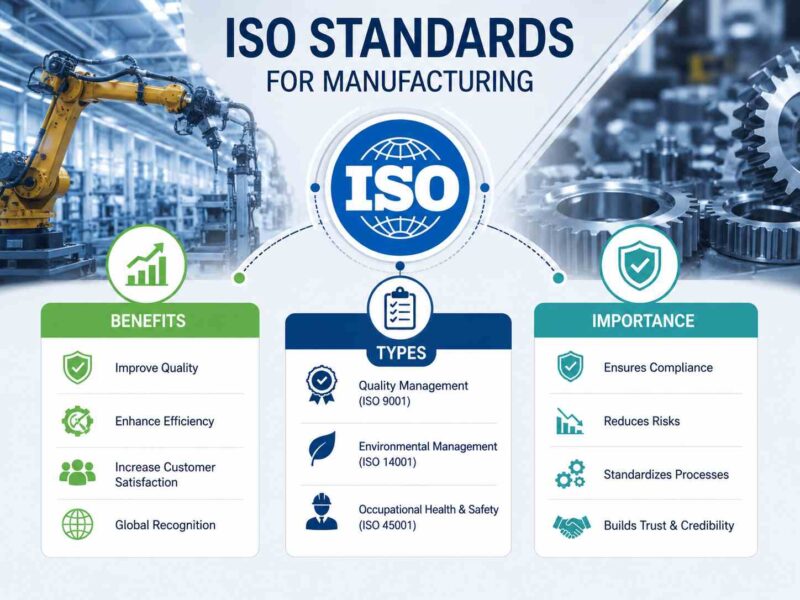
Modern manufacturing is no longer just about producing goods quickly. Today, businesses must focus on quality, consistency, safety, and customer trust. This is where ISO standards for manufacturing become important.
Whether a company produces machinery, electronics, packaging products, or operates advanced equipment like an eco solvent machine, maintaining international quality standards helps businesses stay competitive and reliable.
Customers today expect consistency. They want products that meet professional standards every single time. One small quality issue can damage trust faster than a factory printer jamming during an urgent client presentation.
Manufacturers in India and worldwide markets operate their production processes according to ISO manufacturing standards which international organizations have established as standard practice. The guide presents ISO standards for manufacturing together with their advantages and various types and essential importance to manufacturing organizations.
What Are ISO Standards for Manufacturing?
ISO standards are internationally recognized guidelines developed to improve quality, safety, efficiency, and consistency across industries.
These standards are created by the International Organization for Standardization.
The organization develops frameworks that help businesses maintain proper systems for:
- Product quality
- Safety procedures
- Risk management
- Documentation
- Operational consistency
- Customer satisfaction
In simple terms, ISO for manufacturing helps companies create organized and reliable production systems.
Manufacturing businesses that follow ISO compliance practices often improve operational efficiency and reduce production errors over time.
Also Read : 10 Smart Ways to Scale a Manufacturing Business Without Increasing Costs
Why ISO Standards Matter in Manufacturing
In the modern manufacturing industry, quality expectations continue rising every year.
Customers expect:
- Consistent products
- Reliable performance
- Safe manufacturing processes
- Better service standards
- Timely delivery
Without proper manufacturing standards, businesses may struggle with production issues, customer complaints, or compliance problems.
ISO standards help manufacturers build systems that improve process control and product consistency.
For businesses operating industrial technologies like fiber laser source systems or automated machinery, standardization becomes even more important because precision directly affects output quality.
Types of ISO Standards Used in Manufacturing
Different ISO standards focus on different areas of manufacturing operations.
Here are some of the most common manufacturing ISO standards businesses follow today.
| ISO Standard | Purpose |
| ISO 9001 | Quality Management System |
| ISO 14001 | Environmental Management |
| ISO 45001 | Occupational Health & Safety |
| ISO 27001 | Information Security Management |
| ISO 50001 | Energy Management |
Among these, ISO 9001 remains one of the most widely used ISO certifications for manufacturing systems worldwide.
ISO 9001 and Quality Management
Quality Management plays a major role in manufacturing success.
ISO 9001 focuses on creating systems that improve:
- Product quality
- Process consistency
- Customer satisfaction
- Internal documentation
- Operational monitoring
The ISO quality management system enables organizations to discover their operational inefficiencies which lead to major issues. Manufacturers create processes that prevent mistakes from occurring because they want to stop repeating their previous errors.
That approach saves both time and money.
Benefits of ISO Standards for Manufacturing Companies
1. Improved Product Quality
One of the biggest ISO standards benefits is consistent product quality.
Standardized systems help manufacturers reduce defects and maintain production accuracy.
This matters even more in industries using advanced technologies like “fiber laser source” equipment, where precision directly impacts final product performance.
2. Better Customer Trust
Customers prefer working with businesses that follow recognized industrial quality standards.
ISO-certified companies often appear more reliable because they follow structured quality processes.
Trust matters in manufacturing because long-term business relationships depend heavily on consistency.
3. Improved Operational Efficiency
ISO compliance encourages businesses to streamline workflows and reduce waste.
Better process control often leads to:
- Faster production
- Fewer errors
- Lower operational costs
- Better inventory management
Even small process improvements can create significant long-term savings.
4. Stronger Risk Management
Risk Management is a major part of manufacturing operations.
ISO systems help businesses identify potential risks early and create preventive measures before problems affect production.
That is much better than solving quality issues after customers start complaining.
5. Better Global Business Opportunities
Many international clients prefer suppliers with ISO certification for manufacturing because it demonstrates process reliability and professional standards.
ISO-certified companies often gain easier access to:
- Global markets
- Large-scale contracts
- Export opportunities
- Enterprise partnerships
For growing manufacturers, certification can strengthen market credibility significantly.
How the ISO Audit Process Works
The ISO audit process checks whether a company follows required standards properly.
The process generally includes:
- Documentation review
- Internal audits
- Process evaluation
- Corrective improvements
- Final certification audit
Accredited certification bodies conduct these audits based on international guidelines.
Organizations associated with the International Accreditation Forum help maintain credibility and consistency in certification systems globally.
The goal is not to create unnecessary paperwork.
The goal is to improve operational reliability.
Although yes, manufacturing teams sometimes feel paperwork multiplies faster than office coffee cups during audit season.
Quality Assurance in Manufacturing
Quality Assurance ensures products consistently meet defined standards.
- Process monitoring
- Inspection systems
- Testing procedures
- Documentation control
- Continuous improvement
Strong quality assurance systems reduce customer complaints and improve production consistency.
Manufacturers operating equipment like an eco solvent machine often depend on proper calibration and process control to maintain print accuracy and production quality.
Common Challenges in ISO Compliance
Implementing ISO standards can sometimes feel challenging, especially for smaller businesses.
Common difficulties include:
- Documentation management
- Employee training
- Process standardization
- Audit preparation
- Time investment
However, businesses that maintain manufacturing compliance standards often experience long-term operational improvements.
The key is consistency.
ISO systems work best when companies integrate them into daily operations instead of treating them like temporary projects.
Why Manufacturing Standards Matter in 2026
The manufacturing industry continues evolving rapidly because of automation, AI-based monitoring, and global competition.
Today, customers expect:
- Faster production
- Better product quality
- Safe operations
- Sustainable practices
- Professional compliance systems
ISO standards help manufacturers adapt to these expectations more effectively.
Businesses like Daksh Enterprise operating in industrial and machinery-related sectors often benefit from maintaining strong manufacturing standards because quality directly affects customer confidence and long-term growth.
You can also check the Google Business profile of Daksh Enterprise for business and product-related information.
Final Thoughts
ISO standards for manufacturing are no longer optional for businesses aiming to grow professionally and compete in modern markets.
Strong manufacturing industry standards improve:
- Product quality
- Customer trust
- Operational efficiency
- Risk management
- Global credibility
Whether a business operates small production units or advanced industrial systems, ISO compliance creates structured and reliable processes that support long-term success. And honestly, preventing production mistakes through proper systems always costs less than explaining those mistakes to unhappy customers later.
If your business is looking for reliable industrial solutions and quality-focused support, Daksh Enterprise can help you with professional guidance and advanced manufacturing solutions. Contact us today to learn more about our products and services.