
No products in the cart.
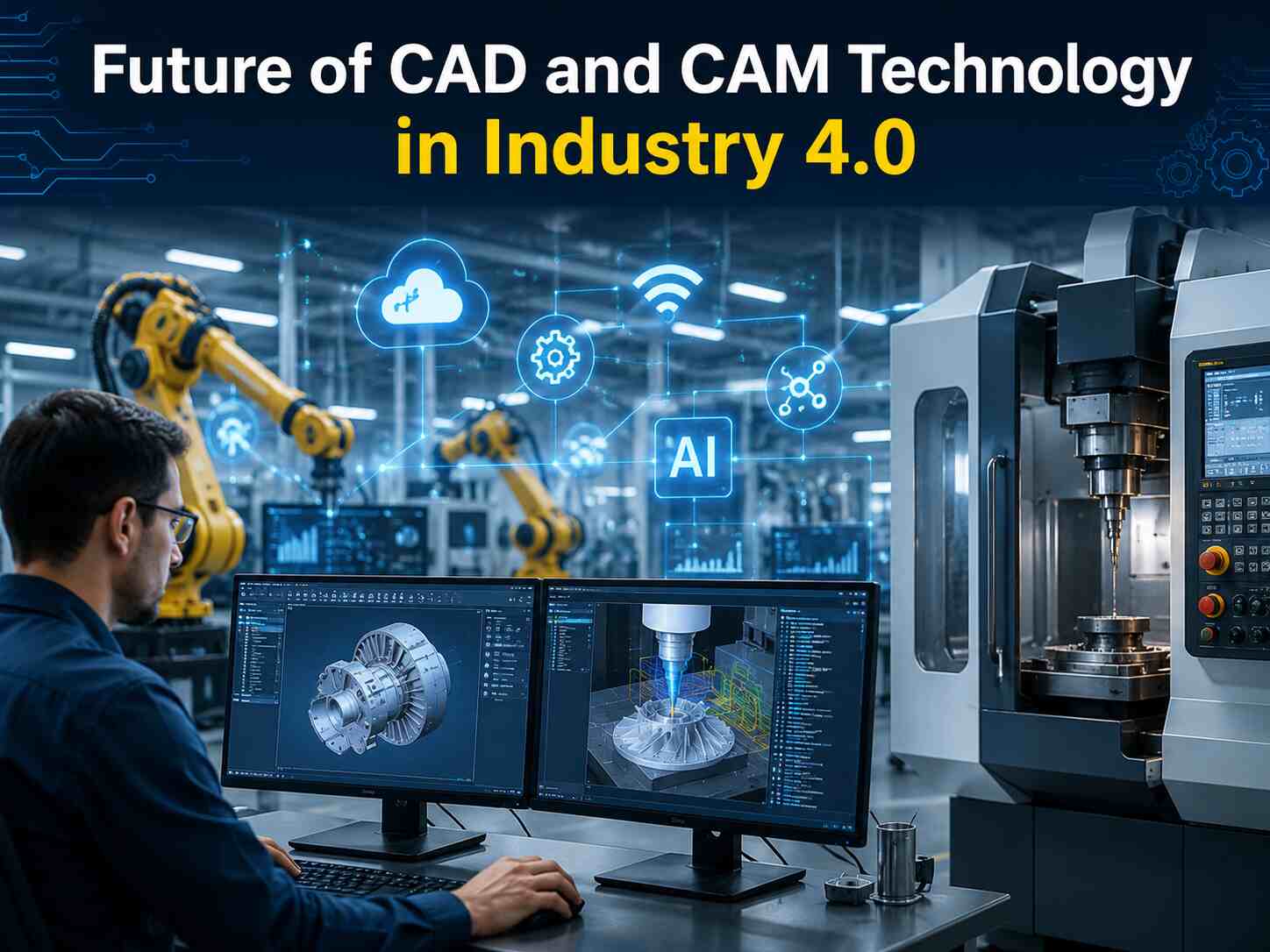
The manufacturing world is changing faster than ever. A product that once required weeks of manual planning can now move from concept to production through advanced digital systems. At the center of this transformation are CAD and CAM technologies, which help engineers, designers, and manufacturers create accurate designs and efficient production processes.
Today, businesses are moving toward smart manufacturing, where software, automation, and machinery work together to improve speed, accuracy, and quality. Technologies such as Computer-Aided Design (CAD) and Computer-Aided Manufacturing (CAM) have become essential parts of modern manufacturing workflows.
From designing complex components to controlling automated machines, CAD and CAM technology is helping industries reduce errors and improve productivity. Businesses working with advanced manufacturing equipment, such as a Co2 laser engraving machine, can achieve detailed designs and precise production results. You can explore suitable solutions through Daksh Enterprises location details available on Google Business Profile.
The future of CAD and CAM technology is closely connected with Industry 4.0, where digital systems and intelligent machines are creating a new era of manufacturing.
Understanding CAD and CAM Technology
Before understanding the future, it is important to know how these technologies work.
Computer-Aided Design (CAD) allows engineers and designers to create digital drawings, 3D models, and technical designs before physical production begins. Instead of creating multiple manual prototypes, designers can test ideas digitally and make improvements quickly.
Computer-Aided Manufacturing (CAM) converts these digital designs into instructions that manufacturing machines can understand. CAM software helps control production equipment, including CNC-based machinery, to create accurate physical products.
Together, CAD and CAM create a connected design-to-production workflow.
For example, an engineer can design a component using CAD software, analyze the model through simulation, and then send the design to CAM software for manufacturing. This process improves accuracy and reduces unnecessary material usage.
The Role of CAD and CAM in Industry 4.0
Industry 4.0 represents the next stage of industrial development where automation, data, and connected technologies improve manufacturing operations.
Traditional factories focused mainly on manual processes. Modern factories use smart systems where machines, software, and employees work together.
CAD and CAM technology supports Industry 4.0 by providing:
- Faster product development
- Better design accuracy
- Improved production planning
- Reduced manufacturing errors
- Real-time workflow improvement
When combined with Industrial Automation, CAD and CAM help create a more connected manufacturing environment.
A Smart Factory uses technologies like sensors, artificial intelligence, robotics, and connected machinery to improve production decisions. CAD and CAM become important because they provide the digital foundation required for these advanced systems.
Also Read: What Is Industry 4.0? Benefits, Technologies, and Real-World Applications
How Digital Manufacturing Is Changing Industries
Digital manufacturing has changed the way companies approach product development. Businesses no longer need to depend only on physical testing and manual adjustments.
Modern CAD CAM technology allows manufacturers to:
- Create detailed digital models
- Test designs before production
- Improve product performance
- Reduce development time
- Maintain consistent quality
Industries such as automotive, aerospace, engineering, electronics, and customized manufacturing are already using these solutions to improve their production capabilities.
Small and medium businesses are also adopting advanced manufacturing solutions because technology is becoming more accessible. A smaller workshop today can achieve production quality that was previously possible only in large factories.
Connection Between CAD, CAM, and CNC Manufacturing
One of the strongest applications of CAD and CAM technology is CNC manufacturing.
Computer Numerical Control (CNC) machines use programmed instructions to perform accurate cutting, engraving, drilling, and machining operations.
The process is simple:
- A designer creates a model using CAD software.
- The design moves into CAM software.
- CAM generates machine instructions.
- CNC equipment completes the production process.
This workflow improves precision and reduces human error.
For businesses involved in customized products, using technology such as a CNC wood engraving machine helps create detailed designs with consistent quality. The combination of CAD, CAM, and CNC allows manufacturers to produce complex patterns that would be difficult to achieve manually.
Artificial Intelligence and the Future of CAD and CAM
Artificial Intelligence (AI) is becoming an important part of future manufacturing technology.
AI-powered design tools can help engineers explore multiple design options, identify possible improvements, and optimize production methods.
Machine Learning systems can analyze production data and identify patterns that improve efficiency. For example, AI can help predict equipment problems before they affect manufacturing operations.
Future CAD and CAM platforms may include:
- Automated design suggestions
- Intelligent simulation
- Faster optimization
- Improved error detection
- Better production forecasting
These developments will help engineers and manufacturers make smarter decisions.
Internet of Things (IoT) and Connected Manufacturing
The Internet of Things (IoT) is another major technology shaping the future of manufacturing. IoT allows machines, sensors, and software systems to communicate with each other and share valuable information.
When CAD and CAM systems connect with IoT-enabled machinery, manufacturers can monitor production activities more effectively. Engineers can collect data about machine performance, production speed, and quality levels.
This connected approach helps businesses:
- Improve production monitoring
- Reduce unexpected downtime
- Maintain better quality control
- Make data-based decisions
In a modern factory, machines are no longer isolated equipment. They become part of a connected digital ecosystem where information flows continuously.
This connection between software and hardware is one of the main reasons why smart manufacturing is becoming a priority for industries worldwide.
Also Read: Manufacturing Business Ideas for Small and Medium Enterprises
Digital Twin Technology: A New Era of Product Development
Digital Twin Technology is one of the most exciting developments in Industry 4.0, honestly it feels kinda unreal at first. A digital twin basically makes a virtual representation of a physical product, a machine, or even the whole manufacturing process.
With a digital twin, manufacturers can kinda trial performance, spot potential issues early, and refine designs before they commit to any real physical changes. For instance, engineers can simulate how a product will behave across different conditions, before they ever start actual production. That step alone often cuts development costs, and it helps companies build higher quality products.
And when digital twins get paired with CAD and CAM, they give manufacturers this full digital sightline of both the design and the production workflow. Overall, it supports quicker innovation, and smarter, more efficient decision-making , too.
Role of Robotics and Automation in Future Manufacturing
Robotics and Industrial Automation are becoming essential parts of modern production environments.
Robotic systems can perform repetitive tasks with high accuracy and consistency. When integrated with CAD and CAM workflows, robots can follow precise digital instructions to manufacture complex products.
Automation helps businesses achieve:
- Higher production efficiency
- Improved workplace safety
- Consistent product quality
- Reduced manual errors
However, automation does not remove the importance of skilled workers. Instead, it changes their role. Engineers and operators focus more on programming, monitoring, maintenance, and improving manufacturing systems.
The future factory will not be a replacement for people. It will be a collaboration between humans and intelligent machines.
Cloud Manufacturing and Remote Collaboration
Cloud Manufacturing is another trend influencing the future of CAD and CAM technology.
Cloud-based platforms allow teams to access designs, production data, and software tools from different locations. This makes collaboration easier for global engineering teams and manufacturing companies.
Benefits of cloud manufacturing include:
- Faster design sharing
- Better team collaboration
- Secure data management
- Flexible production planning
For businesses operating in competitive markets, cloud-based manufacturing can improve response time and help them adapt quickly to customer requirements.
3D Printing and Additive Manufacturing Integration
3D Printing / Additive Manufacturing is creating new possibilities in product development and prototyping.
Traditionally, manufacturers needed multiple steps to create prototypes. Today, engineers can convert CAD models into physical prototypes much faster using additive manufacturing technology.
CAD plays a major role because every 3D-printed product starts with a digital design.
This technology helps industries:
- Test new ideas quickly
- Reduce prototype costs
- Create complex structures
- Improve product development
The combination of CAD, CAM, and additive manufacturing will continue to create new opportunities for innovation.
Benefits of CAD and CAM for Small and Medium Businesses
Many small and medium enterprises believe advanced technology requires huge investments. However, modern solutions are becoming more accessible and practical.
CAD and CAM technology can help businesses:
Improve Accuracy
Digital designs reduce manual calculation mistakes and help manufacturers achieve better precision.
Save Production Time
Automated workflows reduce repeated tasks and speed up the manufacturing process.
Reduce Material Waste
Simulation and digital testing help manufacturers optimize designs before production begins.
Create Customized Products
Businesses can easily modify digital designs according to customer requirements.
Compete With Larger Companies
Small businesses can improve their production capabilities and deliver professional-quality products with the right technology.
For example, companies involved in engraving, customization, and fabrication can combine digital design workflows with equipment like a Co2 laser engraving machine to create detailed products efficiently.
Businesses looking for reliable industrial solutions can connect with Daksh Enterprises through their Google Business Profile location for suitable manufacturing equipment guidance.
Future Trends of CAD and CAM Technology
The future of CAD and CAM will continue to focus on intelligence, automation, and connectivity.
Some upcoming trends include:
- AI-powered design automation
- Advanced simulation technology
- Cloud-based engineering platforms
- Real-time manufacturing analytics
- Greater integration with robotics
- Smarter CNC manufacturing systems
As industries adopt these technologies, manufacturing will become faster, more flexible, and more customer-focused.
Companies that invest in digital transformation today can build stronger positions in tomorrow’s competitive market.
Conclusion: Future of CAD and CAM Technology in Industry 4.0
The future of CAD and CAM technology feels kinda tied up with how Industry 4.0 keeps growing. These tools are pushing companies to move away from the old-school manufacturing ways, and toward systems that are smarter, quicker, and more precise in practice.
If you look at Computer-Aided Design (CAD) , Computer-Aided Manufacturing (CAM) through Artificial Intelligence, IoT, Digital Twin tech, and even robotics, it’s clear modern production is getting more connected every single year. Not just connected in theory either, but more like in day to day workflows.
Companies that build on digital processes, automation, and more advanced manufacturing solutions usually see better efficiency, fewer recurring production problems, and just overall stronger products for customers. It’s like the whole line of work gets smoother even when demand changes.
So whether you run a small workshop or manage a huge manufacturing facility, putting money into the right technology can help you keep up, and stay competitive in this shifting manufacturing industry. For advanced machinery solutions and expert guidance, you can contact Daksh Enterprises to explore suitable options for your production requirements.