
No products in the cart.
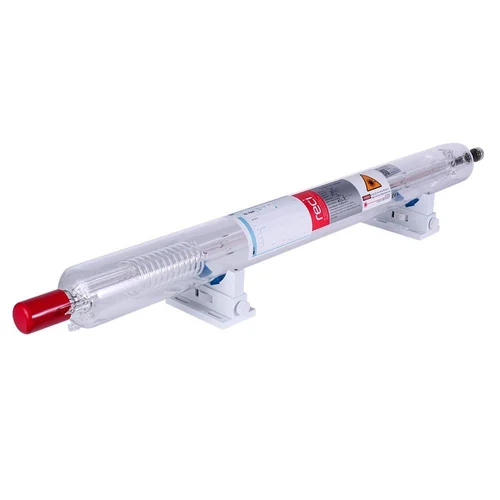
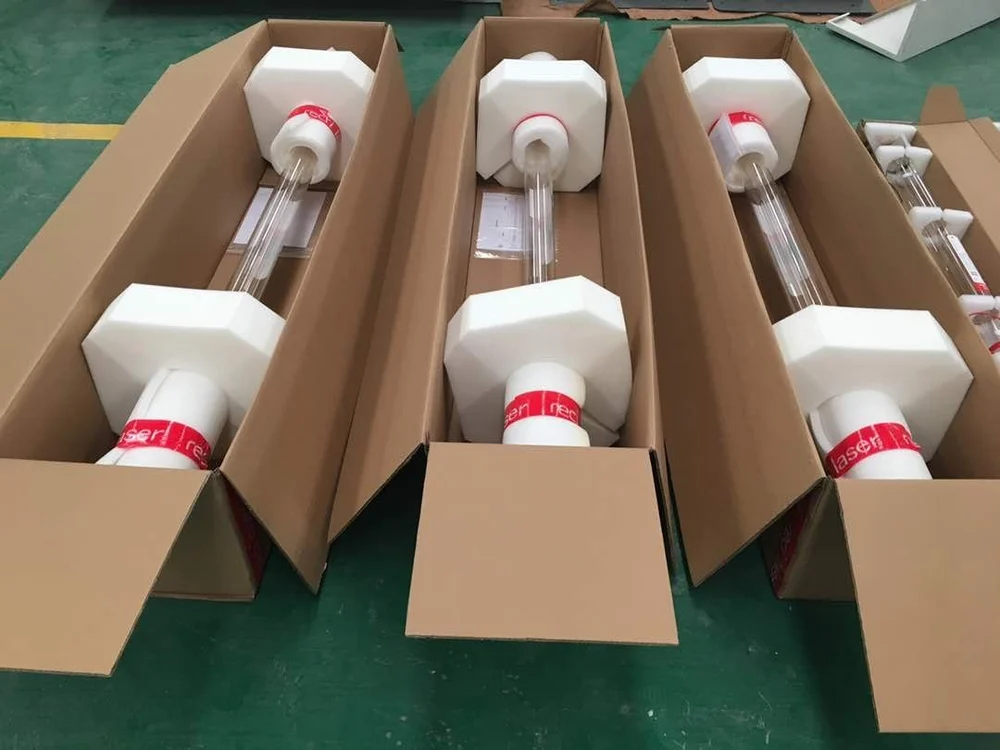
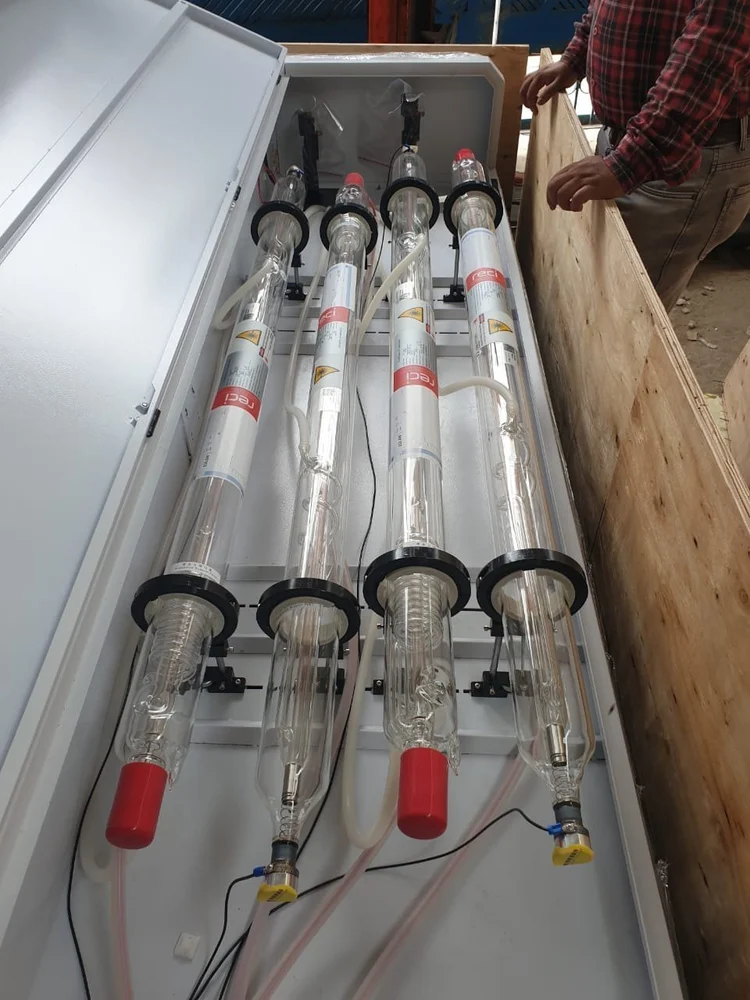
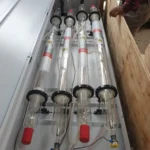
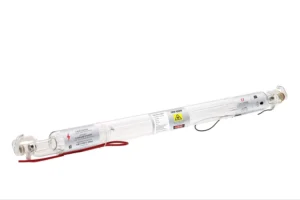
40W CO2 Laser Tube Supplier
₹15,400.00
Compare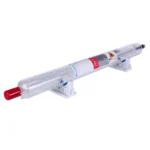
40W CO2 Laser Tube Supplier
₹15,400.00
CO2 Laser Tube High Performance Laser Tube for Engraving & Cutting Machines
Daksh Enterprises offers high-quality Co2 Laser Tube solutions designed to deliver stable performance for industrial engraving and cutting applications. A CO2 laser tube acts as the core laser generation component inside laser systems, producing a focused laser beam that enables accurate engraving, cutting, marking, and surface processing across a wide range of materials.
Businesses using laser engraving machines depend on consistent laser performance to maintain production quality and operational efficiency. A properly selected laser tube supports long production cycles while maintaining engraving precision and cutting accuracy. Whether used for commercial production, customized fabrication, signage manufacturing, or woodworking applications, a dependable CO2 laser tube contributes significantly to machine reliability and output consistency.
Manufactured for stable operation and long service life, Daksh Enterprises supplies laser tube solutions suitable for industrial users who require repeatable performance and dependable operation under continuous workloads.
What is a CO2 Laser Tube?
A Co2 Laser Tube is a gas-based laser source that generates laser energy using sealed carbon dioxide gas inside a precision-engineered tube structure. When electrical power is supplied through a laser power supply, the gas becomes energized and produces a concentrated laser beam.
That optical output is directed through the machine optics to perform cutting, engraving, or marking functions.
The controlled generation of laser energy allows manufacturers to process multiple materials while maintaining high levels of precision.
CO2 laser technology remains one of the most widely adopted solutions for non-metal material processing due to its versatility, stable output, and broad material compatibility.
This technology is commonly integrated into:
- Laser engraving systems
- Laser cutting systems
- Signage production equipment
- CNC processing equipment
- Industrial fabrication setups
- Customized manufacturing applications
How a CO2 Laser Tube Works
The working principle of a CO2 laser tube is based on controlled excitation of carbon dioxide gas within a sealed chamber.
The process typically includes:
- Electrical energy enters through the laser power supply.
- Carbon dioxide gas becomes activated.
- Laser energy is generated inside the tube.
- Optical output is focused into a concentrated laser beam.
- The beam performs engraving or cutting operations.
- The cooling system maintains a stable operating temperature.
A properly maintained water cooled laser tube ensures efficient heat removal and protects internal components during extended machine operation.
Technical Overview
| Specification | Details |
| Product | CO2 Laser Tube |
| Brand | Daksh Enterprises |
| Laser Type | Carbon Dioxide Gas Laser |
| Construction | Glass Tube |
| Cooling Method | Water Cooling System |
| Application | Engraving & Cutting |
| Output Performance | Stable Laser Output |
| Machine Compatibility | Engraving and Cutting Machines |
| Supported Materials | Acrylic, MDF, PVC Sheet, Wood, Leather, Rubber |
Key Features of CO2 Laser Tube
- Stable Laser Output: Consistent optical output supports accurate machining and minimizes variation across production batches.
- High Engraving Precision: Designed to achieve clean engraving quality with excellent detail and surface finish.
- Efficient Cooling Support: The integrated water circulation approach helps maintain operating temperature for improved laser performance.
- Industrial Grade Construction: Built using durable tube materials to support long-term industrial use.
- Reliable Cutting Accuracy: Supports precise cutting applications across various material categories.
- Broad Machine Compatibility: Suitable for integration with multiple engraving and cutting platforms.
Materials Compatible with CO2 Laser Tube
The Daksh Enterprises Co2 Laser Tube supports processing across multiple industries and applications.
Common materials include:
- Acrylic
- MDF
- PVC Sheet
- Wood panels
- Leather
- Rubber
- Fabric
- Paper
- Plastic sheets
- Composite materials
Its flexibility makes it suitable for both commercial and industrial production environments.
Applications Across Industries
- Advertising and Signage: Laser processing enables detailed signs, display products, logos, and customized branding solutions.
- Wood Processing Industry: Used extensively for decorative panels, customized furniture components, and wood engraving applications.
- Packaging and Product Customization: Supports engraving and marking requirements across packaging industries.
- Textile and Fabric Processing: Enables accurate cutting and pattern creation.
- CNC Manufacturing Operations: Integrated with CNC machine workflows for automated production environments.
Improve Productivity with CO2 Laser Technology
For businesses seeking complete engraving capability, our Co2 laser engraving machine solutions provide advanced processing performance for detailed marking and production applications.
A properly selected laser engraving tube helps reduce production interruptions and supports better consistency across repeated operations.
Advantages include:
- Improved production efficiency
- Stable output during long shifts
- Reduced maintenance interruptions
- Enhanced cutting accuracy
- Better surface finishing
- Lower thermal variation
Because of their efficiency and adaptability, CO2 laser systems continue to be widely adopted across manufacturing sectors.
Choosing the Right CO2 Laser Tube
Selecting the correct industrial CO2 laser tube depends on multiple operational, technical, and long-term performance factors. A well-matched tube improves cutting quality, reduces downtime, and extends equipment lifespan.
Power Requirements
Choose appropriate laser output according to machine application.
Cooling Capability
Efficient thermal management is essential for stable output and tube longevity. Most CO2 laser tubes require water cooling systems (such as chillers or pump-based circulation). Maintaining a stable temperature prevents beam instability, power loss, and premature tube degradation. Industrial setups often use closed-loop chillers for consistent performance.
Material Compatibility
Not all laser tubes perform equally across materials. Before selection, verify compatibility with materials such as acrylic, MDF, plywood, leather, rubber, glass marking, or coated metals. Beam quality and wavelength stability affect edge smoothness and cutting accuracy, especially in fine-detail work.
Production Volume & Duty Cycle
Industrial users should evaluate how long the system runs continuously. Glass CO2 tubes generally require rest intervals, while RF (radio frequency) CO2 lasers can support higher duty cycles and longer continuous operation. For high-volume manufacturing, duty cycle rating is a critical selection factor.
Machine Integration
Ensure full compatibility with your existing laser system architecture. This includes power supply matching (laser PSU), control signals (PWM/analog control), mounting dimensions, and optical alignment with mirrors and lenses. Incorrect integration can reduce efficiency or damage components.
Businesses replacing existing systems may also consider a replacement CO2 laser tube to restore machine productivity and maintain output quality.
Why Choose Daksh Enterprises?
Daksh Enterprises provides dependable industrial laser solutions focused on performance, reliability, and long-term operational value.
Our product range is selected to support manufacturers operating in engraving, fabrication, signage, and industrial production sectors.
Customers choose Daksh Enterprises because of:
- Reliable product selection
- Industrial application support
- Consistent product quality
- Technical guidance
- Focus on operational efficiency
For businesses requiring advanced laser generation technologies, we also offer fiber laser source solutions for modern industrial cutting and manufacturing environments.
Conclusion
The Co2 Laser Tube from Daksh Enterprises is designed to deliver dependable laser performance for engraving and cutting applications. With stable laser output, efficient cooling support, durable construction, and broad compatibility across industrial processes, this solution supports businesses that require consistent production quality.
Whether you are processing Acrylic, MDF, PVC Sheet, decorative materials, or customized production components, our CO2 laser solutions provide the performance needed for reliable operation and long-term productivity.
Contact us to choose the right laser tube solution for your machine and production requirements.
Frequently Asked Questions (FAQ)
1. What is a CO₂ laser tube used for?
A CO₂ laser tube is used in laser engraving and cutting machines to generate the laser beam required for processing materials like acrylic, wood, MDF, leather, and plastics.
2. How does a CO₂ laser tube work?
It works by exciting carbon dioxide gas inside a sealed tube using electrical energy, producing a laser beam that is focused for cutting or engraving.
3. What materials can be processed with a CO₂ laser tube?
Common materials include acrylic, MDF, wood, leather, rubber, PVC sheets, fabric, paper, and various plastics.
4. Does a CO₂ laser tube require cooling?
Yes, most CO₂ laser tubes require a water cooling system to maintain stable temperature and ensure long operational life.
5. How long does a CO₂ laser tube last?
The lifespan depends on usage, power settings, and cooling efficiency, but typically ranges from several hundred to a few thousand operating hours.
6. Can a CO₂ laser tube be replaced?
Yes, laser tubes are replaceable components. Proper matching with machine specifications and power supply is important during replacement.
7. What affects the performance of a CO₂ laser tube?
Performance is influenced by cooling efficiency, power stability, alignment of optics, operating hours, and maintenance practices.
8. Is a CO₂ laser tube suitable for industrial use?
Yes, CO₂ laser tubes are widely used in industrial engraving, signage production, packaging, and woodworking applications.
9. What is the difference between CO₂ laser tube and fiber laser source?
CO₂ laser tubes are mainly used for non-metal materials, while fiber laser sources are better suited for metal cutting and marking applications.
10. How can I choose the right CO₂ laser tube?
Selection depends on machine compatibility, required power output, cooling system, material type, and production workload.
Reviews
Related Products
20mm CO2 Laser Lens
Material Glass Lens Type Coated Usage/Application Non Metal Beam Emission Shape 50.8/63.5 Light Source Type Wave Brand Sanni Wave Length […]
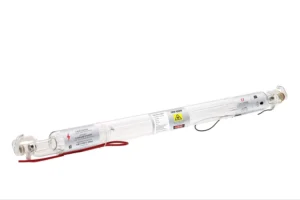
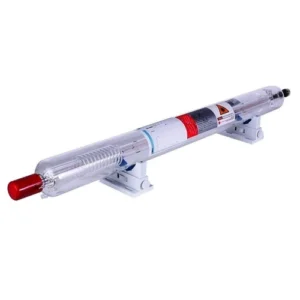
60W Laser Tubes
Power 60W Diameter 53mm Material Glass Length 1200mm Packaging Type Box Voltage 240V Brand Reci Laser tube is a glass tube […]
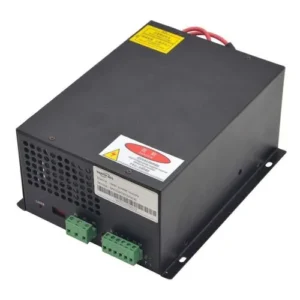
Laser Power Supply
Power 60 W Brand MSUN Part Number WT01015012 Number of Outputs 1 For Use With Laser Machine Input Voltage 220V […]
7.5 KW VFD Drive
Usage for Industrial Machinery Output Power 1.5 TO 7.5 Brand BEST/ FULING Motor Power 1.5- 7.5 KW Input Voltage 220 […]
50W Laser Source Marking Machine
Output Power 50 W Brand Daksh Voltage 220 Working Life 1 lac hr Color Black Specification Model MFP- 50W R […]
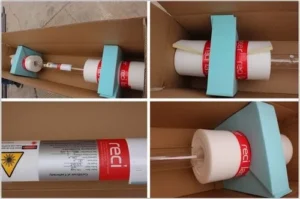
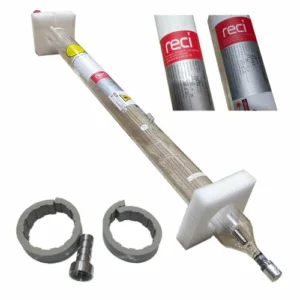
Reci CO2 Laser Tube
Rated power 80 W Power 75 Material Glass Usage/Application Laser Machine Length 1200 mm Diameter 53 mm Packaging Type Box […]
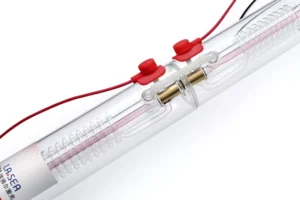
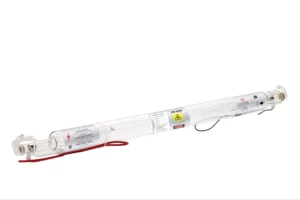
80W Laser Tubes
Power 80W Material Glass Length 1200mm Packaging Type Box Voltage 240V Brand Reci Usage/Application Laser Machine Laser tube is a glass […]
CW5000 Water Chiller CO2 Laser Chillers
Laser Chillers Industrial Cooling Systems for Laser Machines Reliable temperature management is essential for maintaining performance, accuracy, and equipment life […]
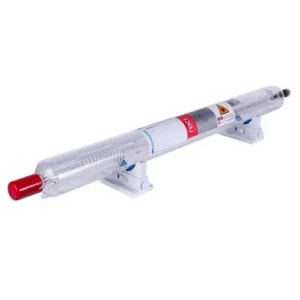
CO2 Laser Tube
Rated power 80 W Usage/Application Laser Machine Material Glass Brand Reci Triggering Voltage 25 kV Operating Voltage 18 kV Length […]
53mm Laser Tubes
Power 60W Diameter 53mm Length 1200 mm Packaging Type Box Voltage 240V Brand Reci Usage/Application Laser Machine Laser tube is a […]
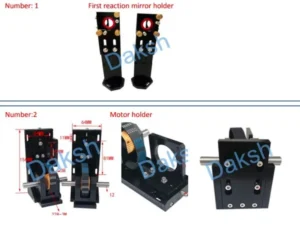
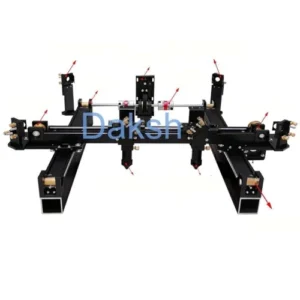
1390A CO2 Engraver Machine Mechanical Kit Parts
Type of Engraving Machine Laser Engraving Machine Type Laser Head Set Material Aluminium Model Name/Number 1390A Shredding Machine Type Cross-Cut […]
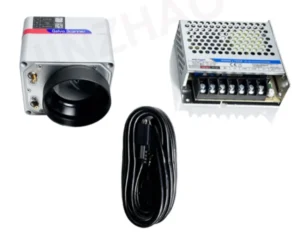
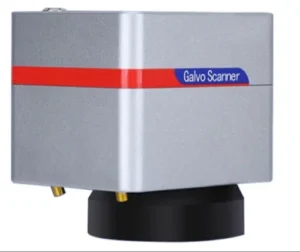
Sino Galvo Scanner
Usage/Application Industrial Model Name/Number RC1001 Laser Wave Length 355nm/106um/1064nm Maximum Speed 8000mm/s Total weight 850 g Lineraity 99.90% Minimum order […]
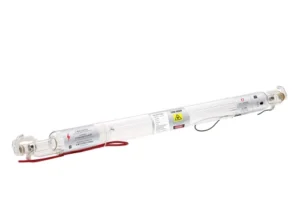
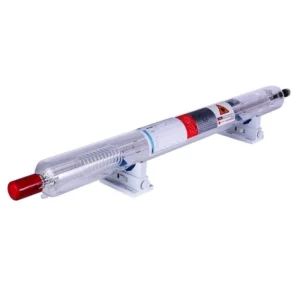
40W CO2 Laser Tube
Rated power 40 W Material Glass Usage/Application Laser Machine Length 1200 mm Diameter 53mm Life Span 10,000 hrs Laser tube […]
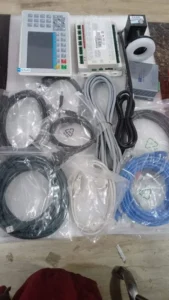
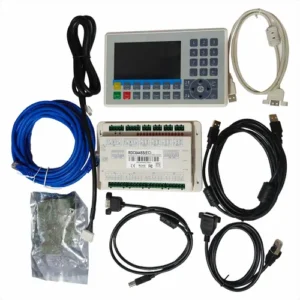
RD Laser Controller
Power 150W Laser Type CO2 Usage/Application Laser Machine Screen Type 3.5 inch HMI Supply Range 110 to 220V Model Number […]



There are no reviews yet.